
From the coaching room
You Can Lose Fat and Build Muscle While Recovering From Back Pain
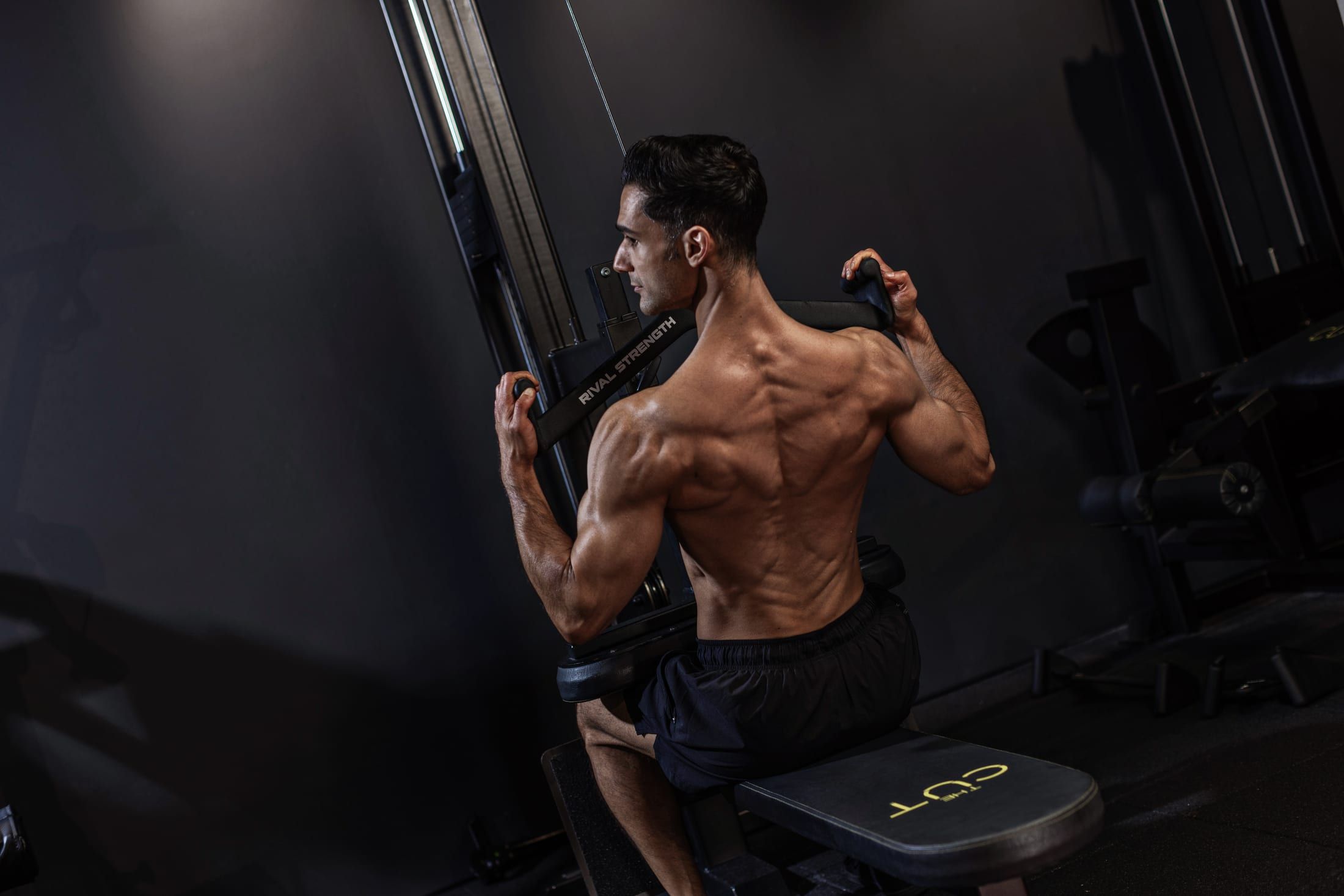
You feel like you can’t do much because of the pain. So getting into shape doesn’t feel like an option. You wait. And wait. But the pain doesn’t subside, and in the meantime you’re getting into worse shape, feeling worse about yourself and your situation. It’s a miserable place to be stuck.
Here’s the thing: back pain does not have to hold you back from getting into the best shape of your life. You absolutely can lose fat and build muscle while recovering from back pain. The problem is that most people go about it the wrong way, and end up stuck in a cycle that gets them nowhere.
The Waiting Game Nobody Wins
The logic feels sound on the surface. You’re in pain, so you rest. You’ll get back to training once you’re feeling better. Sensible, right?
The trouble is that “once I’m feeling better” has a way of never arriving. Chronic back pain doesn’t tend to resolve itself through patience alone. And while you’re waiting, the physical deconditioning continues. Muscle mass drops. Body fat creeps up. Energy levels fall. And the longer that goes on, the harder everything becomes, including the rehabilitation itself.
There’s also a less obvious problem. Deconditioning is not neutral. Losing muscle mass and gaining body fat while you’re in pain doesn’t just affect how you look or feel about yourself. It affects how your body loads and supports your spine. It affects your energy, your sleep, your stress levels. All of which, as we’ll come to, are directly relevant to how much pain you’re in.
Waiting for the pain to clear before you start working on your body is, in most cases, the wrong call.
Why Most People Get Stuck in the Yo-Yo Cycle
The alternative most people try is this: they feel a bit better, so they go hard in the gym. Then they flare up. Then they rest completely. Then they feel better again, go hard again, flare up again. Round and round.
This cycle is exhausting, demoralising, and it doesn’t produce results on either front. The rehabilitation stalls because the training keeps provoking the pain. The physique goals stall because the training is too inconsistent and too reactive to build anything meaningful.
The problem isn’t effort. The people I work with are not short on effort. The problem is the absence of a plan that accounts for both things at once, one that treats the rehabilitation and the physique work as part of the same programme rather than two competing priorities.
Physique Transformation and Back Pain Are Not Competing Goals
This is probably the most important point in this post, so it’s worth being direct about it.
Getting lean and strong is not something you do after you’ve sorted your back. For most people, getting lean and strong is part of how you sort your back. The two things belong in the same programme, running in parallel, not in sequence.
Building genuine strength in the right places supports spinal stability. Improving your body composition affects how your body loads and moves. Getting your nutrition right has a direct bearing on inflammation, energy, sleep quality and recovery. These are not separate conversations. They are the same conversation.
The goal, when it’s done properly, is a lean, strong, athletic, pain-free body that you can have full confidence in for life. Not “pain-free first, then strong.” Not “strong first, then sort the pain.” Both, together, through a structured programme built around YOUR specific situation.
What “The Right Plan” Actually Means
The phrase “right plan” gets thrown around a lot. It’s worth being specific about what it means here.
The right rehabilitation plan
Back pain is not purely a structural problem. Pain is a nervous system phenomenon, and treating it as though it’s simply a mechanical fault to be corrected misses a significant part of what’s actually happening. The approach I take is nervous system first: understanding what’s driving the pain signal, not just what’s happening in the tissues.
That means the rehabilitation plan looks at more than just which exercises to do. It looks at how you’re moving, how you’re breathing, how your nervous system is responding to load and to stress. It’s built around what’s actually going on with YOUR back, not a generic protocol for “lower back pain.”
The right training plan
Training while managing back pain requires a level of specificity that a standard gym programme simply doesn’t provide. The exercises that are appropriate, the loads, the progressions, the things to avoid entirely for now and the things to reintroduce gradually: all of that needs to be calibrated to where you are right now, not where you’d like to be.
That doesn’t mean training light forever. It means building the foundations properly so that the progression is sustainable. Rushing past that stage is exactly how people end up back in a flare-up, back at square one.
The right nutrition plan
You cannot out-train a poor diet, and you cannot out-supplement chronic stress and poor sleep. Nutrition is a lever that affects body composition, recovery, energy and inflammation. Getting it right doesn’t require anything extreme. It requires a plan that’s built around your life, your schedule and your goals, and that you can actually stick to.
For the London professionals I work with, that usually means something structured enough to produce results but realistic enough to survive a busy week, a work dinner, or a weekend away with the family.
The Nervous System Piece Most Practitioners Miss
One of the reviews I’ve received that has stayed with me came from a client who described constantly scanning their back for signs of pain, panicking at every twinge, and avoiding activities they used to love. Squash. Playing with their kids. Anything that felt like a risk.
What they described is real, and it’s more common than most people realise. The anxiety around pain, the hypervigilance, the avoidance: these things don’t just affect quality of life. They actively amplify the pain signal. The nervous system learns to be on high alert, and a body on high alert is a body that hurts more.
This is why the nervous system first approach matters. It’s not a soft add-on to the physical work. It’s central to it. Understanding how your brain and nervous system are contributing to your pain experience is often the thing that changes everything, not just for the rehabilitation, but for the physique work too. Because a nervous system that’s constantly braced and defensive is not a nervous system that’s going to let you train effectively.
What Progress Actually Looks Like
Progress in this kind of programme is not a straight line. It’s a cycle: do the work, reassess, adjust, progress. Reassess, adjust, progress again.
Some weeks things move quickly. Some weeks there’s a setback. The setback is not a sign that the programme isn’t working. It’s information. It tells me something about what needs adjusting, what needs more time, what needs a different approach. The feedback from the process is how the process improves.
This is also why accountability matters as much as it does. Generic information is everywhere. There are hundreds of free programmes online for back pain, and hundreds more for fat loss and muscle building. Information was never the problem. The problem is having someone who knows your situation, who can read the feedback with you, and who can make the right call about what to do next.
That’s what a structured, individualised programme provides that a YouTube video or a generic gym plan simply cannot.
Who This Is For
If you’re a professional in your late thirties, forties or early fifties, you’ve been dealing with back pain for months or years, you used to be active and you want to be active again, and you’re fed up of feeling like your body is working against you: this is for you.
You don’t need to be pain-free to start. You don’t need to be in good shape to start. You need to be ready to commit to a structured process, to do the work consistently, and to trust that the reassessing and adjusting along the way is part of how it works, not a sign that something’s gone wrong.
The outcome, when the programme is right and the commitment is there, is not just less pain. It’s a strong, confident, pain-free body that brings the joy back into your everyday life. Playing sport again. Keeping up with your kids. Moving through your day without that constant background noise of discomfort. Getting out of chronic back pain once and for all, and building the best physique along the way.
Those are not competing goals. They are the same goal.
If you’re ready to stop waiting and start making progress on both fronts, the Back Pain Rehab and Physique Transformation programme is built exactly for this. Or if you’d like to talk through your situation first, book an initial consultation and we’ll take it from there.